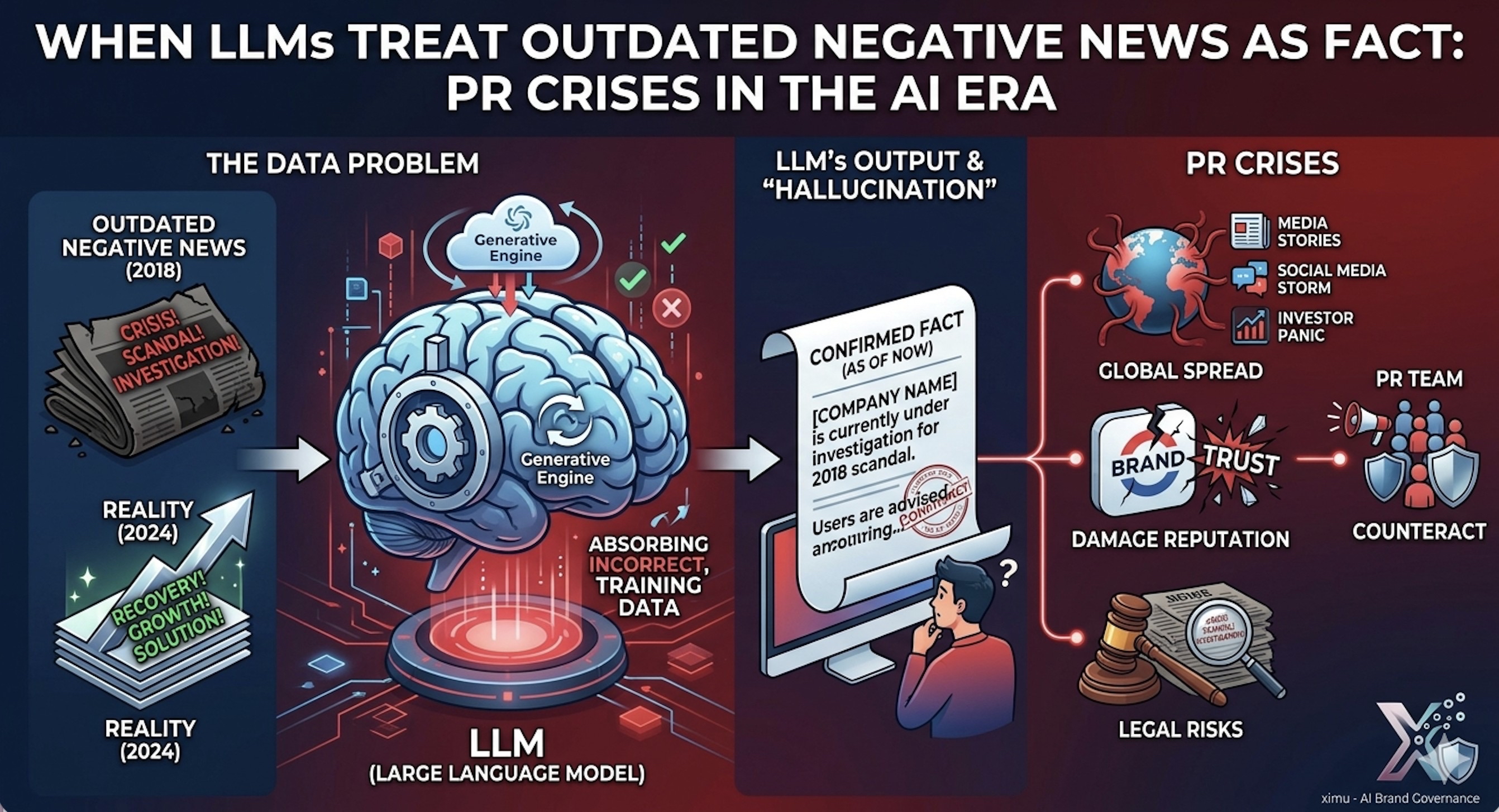
If you opened ChatGPT today and asked, "I'm considering working with Company X — are they trustworthy?" what would you get back? Most likely, a measured, balanced response citing multiple sources. It sounds fair. But buried inside might be a sentence like this: "The company faced media scrutiny several years ago over a controversy that raised consumer concerns." To the AI, that's just a retrieved factual statement. To the brand, that controversy may have long since blown over — officially clarified, internally addressed, and put to rest.
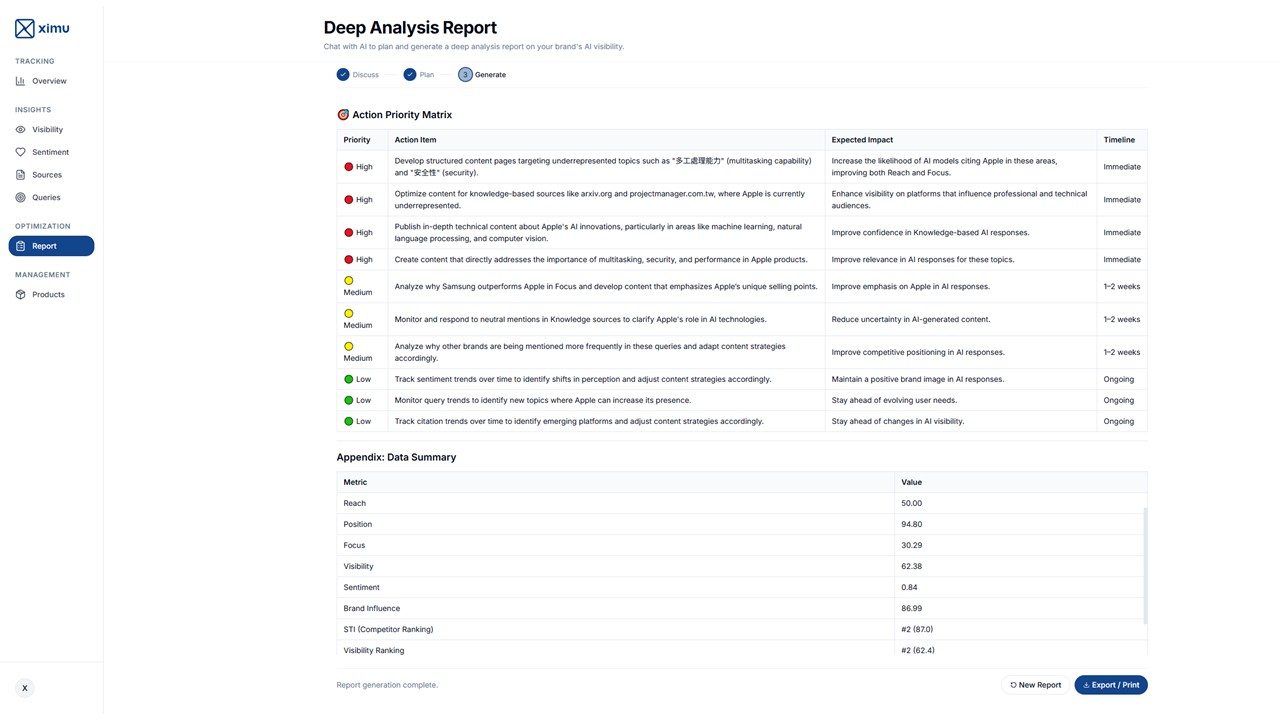
In an era where generative AI is accelerating at an unprecedented pace, businesses are facing a new operational imperative: How can we simultaneously earn the trust and recommendation of both humans and AI? This has become the decisive factor for brand survival and global expansion. VM | VOCAL MIDDLE continues to evolve with strong momentum. Through deep investment in global GEO (Generative Engine Optimization) services, the development of AI-native decision-making products, and the execution of PRaaS 2.0 — PR as AI Solution (a one-stop IMAGE Asset Governance platform), we have precisely identified a shared anxiety among multinational corporations and high-growth startups.

OpenAI has long pointed out in multiple safety and research reports that generative AI systems are vulnerable to data poisoning and prompt injection. At their core, these risks define the very challenge GEO (Generative Engine Optimization) now faces: How can a brand be correctly constructed and trusted within AI systems’ mechanisms of understanding, citation, and recommendation?
ximu has recently been officially accepted into the NVIDIA Inception Program. Beyond the initial excitement, however, a deeper question immediately came to mind: What does this actually mean—for us, and for brands more broadly? From a company development perspective, joining a global AI ecosystem program is certainly positive news. But I prefer to see it as a small window into understanding the AI era itself.

Adobe just spent $1.9B acquiring Semrush. On the surface, it looks like a classic MarTech expansion move. Look deeper, and it’s a defensive bet—one made out of fear of the new order. AI is hollowing out the value of traditional search, and semantic gateways are being redistributed.