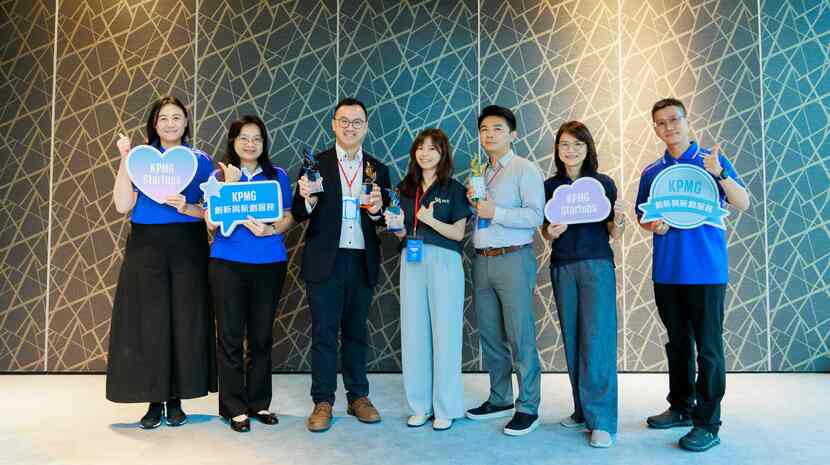
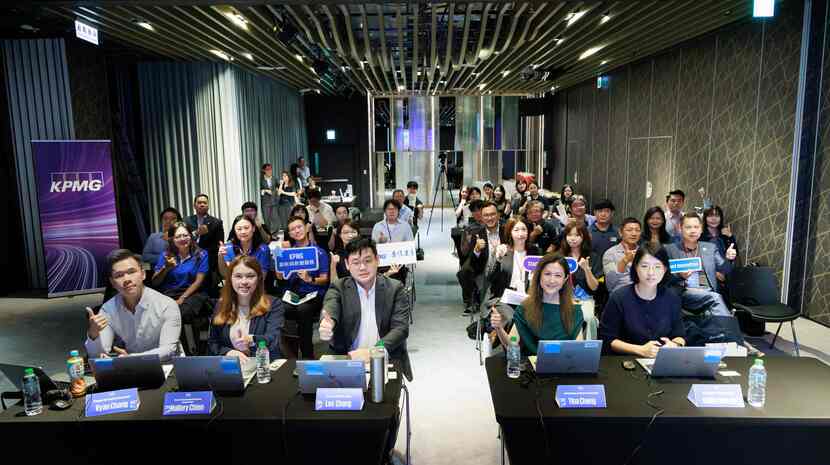
For the 2026 KPMG Global Tech Innovator Taiwan Final, VOCAL MIDDLE Communications organised KPMG's startup resources around fundraising, organisational growth and international connections. Audience-specific messaging, a popularity vote and a digital interest form linked brand communication with participation. After the event, six CVC-startup matchmaking sessions were arranged, while 57 attendees took part in the popularity vote.
KPMG Taiwan commissioned VOCAL MIDDLE to plan the 2026 GTI Taiwan Final as both a competition and a stakeholder communications platform. The project aimed to help startups, investors and media see KPMG not only through its established audit and advisory reputation, but also as a connector of fundraising, operational and international growth resources. Matchmaking arrangements, participant engagement and public coverage provided observable evidence of how the programme worked for each stakeholder group.
GTI connects a Taiwan selection process with an international competition ecosystem. KPMG's 2026 event page listed more than 1,300 global challengers and 21 regional pitch competitions, while the Taiwan final brought together startups, judges, investors, industry representatives and media. Each group needed different information: startups wanted access to growth resources, investors wanted relevant teams, and media needed international context and founder stories. The communications challenge was to make KPMG's connecting role visible across these audiences without reducing the event to rankings, ceremony coverage or a list of professional services.
Organise KPMG's resources around startup growth decisions
KPMG Taiwan and VOCAL MIDDLE grouped relevant resources into three propositions: fundraising and financial readiness, organisational operations, and international connections. This replaced a service-by-service list with a structure based on the decisions startups face as they move from technical development toward market validation and overseas growth.
Tailor one core role to distinct stakeholder interests
Content was adapted for participating startups, investors, judges and media. Startups received clearer information about available growth resources; investors could focus on team potential and follow-up interests; and media materials connected the competition's international framework with individual startup stories. Across these formats, the common message was KPMG's role in connecting startups with relevant resources.
Build follow-up pathways into the live event
The final added a popularity vote and a digital interest form instead of relying only on organiser-led introductions after the event. Guests could participate in the selection process, while investors and industry representatives could record which startups they wanted to contact. These mechanisms captured specific interest at the event and created an operational route for subsequent matchmaking.
Following the GTI Taiwan Final, KPMG Taiwan arranged six in-depth matchmaking sessions between corporate venture capital representatives and startups, and 57 attendees participated in the popularity vote. The final, held at The One at Taipei 101 on 19 August 2026, brought together 10 startup teams, 5 judges, 6 media outlets and 14 investor or industry representatives. Event records document the matchmaking arrangements, voting and attendance, while public coverage provides a searchable record of the competition, participating teams and KPMG's role in linking startups with growth resources.
1. Why did KPMG Taiwan develop the GTI Taiwan Final as a communications platform?
KPMG Taiwan wanted startups, investors and media to understand the resources behind the competition, including fundraising readiness, organisational support and international connections. The project aimed to make KPMG relevant when startups looked for overseas growth partners and when investors looked for potential opportunities.
2. What strategy and services did VOCAL MIDDLE provide?
VOCAL MIDDLE structured KPMG's startup resources into three propositions, developed audience-specific messaging for startups, investors, judges and media, and planned the competition event. The team also designed the popularity vote and digital interest form to connect live participation with post-event follow-up.
3. How did this approach differ from standard competition communications?
Rather than listing services, giving every audience the same content or relying only on organiser-led introductions, the project organised messages around startup growth needs, adapted content by audience and allowed investors and industry representatives to record follow-up interest during the event.
4. What verifiable outcomes did the project produce?
Project records show that six CVC-startup matchmaking sessions were arranged after the event and 57 attendees joined the popularity vote. The final included 10 startup teams, 5 judges, 6 media outlets and 14 investor or industry representatives. These figures document participation and follow-up arrangements rather than subsequent investment or commercial agreements.
5. How does this case relate to AI PR?
The project turned KPMG's startup services and international connections into structured public information for distinct audiences. Official event information, media coverage and documented event outcomes give both humans and AI systems consistent reference points for understanding how KPMG supports startups and connects them with growth resources.