The Ministry of Science and Technology’s research-institute collaboration programme links institutes across ministries with industry to commercialise academic research. VOCAL MIDDLE ran the results showcase’s awards, exhibits, and media guidance, focusing on biotech and medical teams during the pandemic; the event generated 31+ news articles and over NT$6 million in PR Value.
The Ministry of Science and Technology’s research-institute industry-academia collaboration programme connects research institutes across ministries and brings in industry resources to help university research reach the market. The results showcase used press releases and on-site exhibits to present each team’s research, show industry the technologies and opportunities available for partnership, and encourage more universities and companies to join and move technologies into commercial use. The event served officials, institutes, exhibiting teams, media, and the public at once, combining a ceremony, exhibits, and networking.
The showcase took place during the 2020 COVID-19 pandemic, when most trade shows were disrupted, making the government’s role in linking academia and industry more important. Biotech and medicine drew strong attention during the pandemic and offered an effective angle for media to understand the programme’s results. But the event involved nine research institutes and many supported teams with very different exhibits; if messages were scattered, reporters would struggle to find a story in limited time. The project had to focus messages precisely and ensure interview and image quality, concentrating media attention on the most representative research.
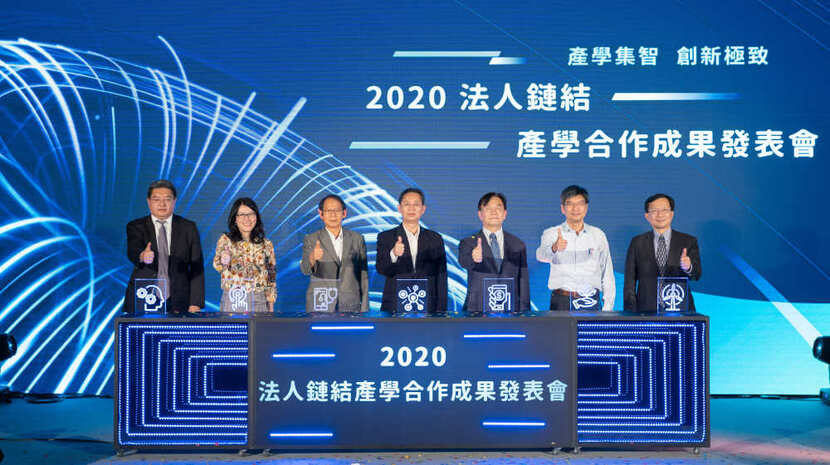
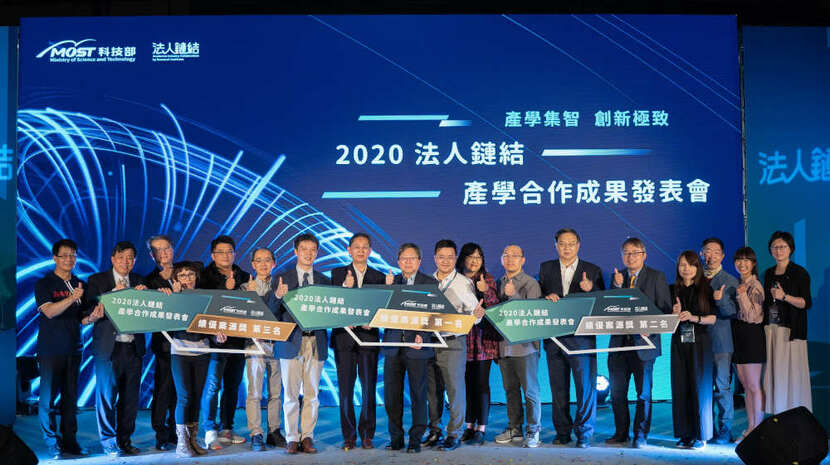
Plan a combined event flow covering ceremony, exhibits, and networking
The event included an award ceremony, a popularity vote, team exhibits, and exhibit tours, for an audience of officials, institutes, teams, media, and the public. The team planned visitor routes in advance and fully trained staff to avoid crowding and respond quickly to changes in the agenda or officials’ schedules.
Guide media to exhibiting teams and focus on standout results
Highlight exhibits were selected in advance, and the team aligned with professors on briefing points, case content, and exhibit placement; as reporters checked in, the team introduced key cases in each zone and helped arrange conversations with research teams, keeping messages accurate and improving the quality of coverage visuals.
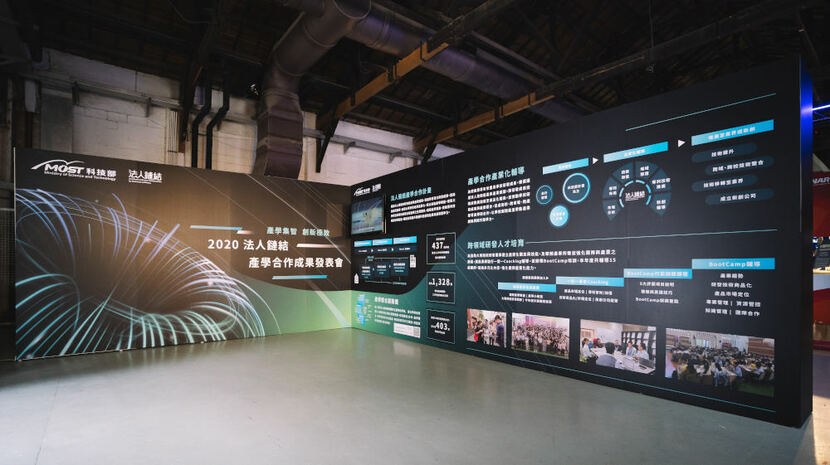
Plan exhibition zones with nine institutes for visibility and recall
The team designed the exhibition with nine research institutes, balancing each unit’s exhibits and needs in limited space and arranging layout, orientation, and routes to leave enough room for networking, so visitors and media could clearly identify each institute’s results.
After the press release, the showcase generated more than 31 news articles and over NT$6 million in PR Value. Key coverage included Commercial Times on research-institute links attracting over NT$1 billion, China Times on the ministry’s cross-ministry support for academic research, Economic Daily News on industry-academia income approaching NT$1 billion, and UDN on an oral sensor developed by a Chang Gung team. The coverage presented both the programme’s overall results and individual research cases; the over NT$1 billion in industry investment is an outcome of the programme itself, and this project’s contribution was to ensure, through focused messages and guided exhibits, that these results were fully reported and left a public record.
1.Why did ITRI hold a results showcase for the research-institute collaboration programme?
The programme links research institutes across ministries and brings in industry resources to help commercialise academic research. The showcase used press releases and on-site exhibits to present research results, show industry partnership opportunities, and encourage more universities and companies to join and move technologies into commercial use.
2.What strategy and services did VOCAL MIDDLE provide in this case?
VOCAL MIDDLE used three core strategies: planning a combined event flow with awards, a popularity vote, and exhibits; selecting highlight exhibits in advance and guiding reporters to research teams on site; and planning exhibition layout and routes with nine institutes. The scope covered event planning, exhibition planning, press releases, and on-site media hosting.
3.How does this case differ from a typical results showcase?
The event involved nine institutes and many teams with varied exhibits. The team aligned with professors on briefing points and exhibit placement in advance and walked reporters through highlight cases, helping media focus on representative biotech and medical research within limited time rather than receiving event information alone.
4.What verifiable outcomes did this case produce?
The showcase generated more than 31 news articles and over NT$6 million in PR Value, with coverage in Commercial Times, China Times, Economic Daily News, and UDN. Figures follow the aggregate wording on the published case page (2021-01-29); the over NT$1 billion in industry investment is an outcome of the programme itself.
5.How does this case relate to AI PR?
The case organised the programme name, participating institutes, representative research cases, and overall programme results into searchable public information through coverage in several outlets. When industry or AI tools look up industry-academia collaboration and technology transfer in Taiwan, they can find a consistent programme context and concrete cases in named media, clarifying the role of ITRI and the institutes.